

Finding a lump or growth can be scary. One of the first questions your doctor will try to answer is whether the tumor is benign or malignant. While both are types of abnormal growths, the differences between benign and malignant tumors can affect your treatment and long-term health. Here, we break down the five key differences to help you understand what to expect.
What Are Benign and Malignant Tumors?
A tumor is an abnormal mass of cells growing in the body. These cells don’t follow normal rules for growth and division. However, not all tumors are alike.
- Benign tumors are noncancerous. They grow slowly, usually stay in one place and don’t spread. Because they don’t invade surrounding tissues, they’re often easier to treat. Many benign tumors cause no symptoms and are found during routine exams. Some common benign tumors include uterine fibroids, lipomas (fatty lumps) and colon polyps.
- Malignant tumors are cancerous. They grow quickly, invade nearby tissues and can spread to other parts of the body—a process called metastasis. Malignant tumors can be life-threatening and usually require more aggressive treatment.
Knowing if a tumor is benign or malignant sets the stage for the right approach to treatment and care.
1. Cell Type and Appearance
Benign tumors consist of cells that resemble the normal tissue where they started. They typically grow in compact clumps or capsules and look similar to the tissue around them. This makes them easier to identify and remove.
Malignant tumors are made up of abnormal cells that look quite different from normal ones. These cancerous cells multiply without control and often lose features of the original tissue. They tend to grow unevenly and have irregular shapes without clear borders, allowing them to infiltrate nearby tissues.
Doctors use biopsies, a microscopic examination of tissue samples, to clearly see these cell differences.
2. Growth Patterns
Benign tumors usually grow slowly. They may stop growing after reaching a certain size, and because they’re surrounded by a clear boundary or capsule, they don’t spread into the nearby tissues.
Malignant tumors grow much faster. They invade and destroy nearby healthy tissues by growing into them. This uncontrolled growth continues as the cancer spreads locally and even into the bloodstream or lymphatic system.
The aggressive nature of malignant tumors is what makes them dangerous and harder to treat.
3. Ability to Spread (Metastasis)
One of the most important differences is that benign tumors do not spread to other parts of the body. They stay localized, so once they’re removed, they rarely cause more problems—though they can sometimes grow back if they’re not fully removed.
Malignant tumors have the ability to spread, or metastasize. Through blood vessels and lymph nodes, cancer cells break away from the original tumor and travel to distant organs, such as the lungs, liver or bones. Once cancer spreads, it becomes more complicated to treat and can affect overall prognosis.
4. Symptoms They Cause
Benign tumors often cause few or no symptoms. Because they grow slowly and don’t invade tissues, many benign tumors are discovered only during routine checkups or imaging tests done for other reasons. They might cause symptoms if they press on organs, nerves or blood vessels. For example, a benign brain tumor might cause headaches or vision problems if it pushes on nearby areas, or a large lipoma may cause discomfort simply from size.
Malignant tumors often cause symptoms earlier and more noticeably. These might include:
- A rapidly growing lump or swelling
- Changes in skin, bleeding, or unusual discharge
- Fatigue or weakness
- Persistent pain or discomfort
- Unexplained weight loss
Because cancer cells invade healthy tissue, malignant tumors often affect normal body function and can cause more systemic symptoms.
5. Treatment and Outlook
Benign tumors usually require simple treatment—often surgical removal if they cause symptoms or grow large. Since benign tumors don’t spread or invade, surgery is typically curative and recovery is straightforward. Some benign tumors might just be monitored carefully if they’re not causing problems.
Malignant tumors require a more complex treatment plan that may include surgery, chemotherapy, radiation therapy, targeted drug therapy or immunotherapy. Because malignant tumors can spread and recur, ongoing monitoring after treatment is critical.
The outlook for patients with malignant tumors depends on the cancer type, stage and overall health, but early detection and treatment greatly improve survival and quality of life.
Can a Benign Tumor Become Cancerous?
Most benign tumors are harmless. However, some types, such as certain colon polyps, can turn into malignant tumors over time. This potential transformation is why routine screening and monitoring are important for some benign growths.
How Do Doctors Determine if a Tumor Is Malignant?
Knowing whether a tumor is benign or malignant relies heavily on:
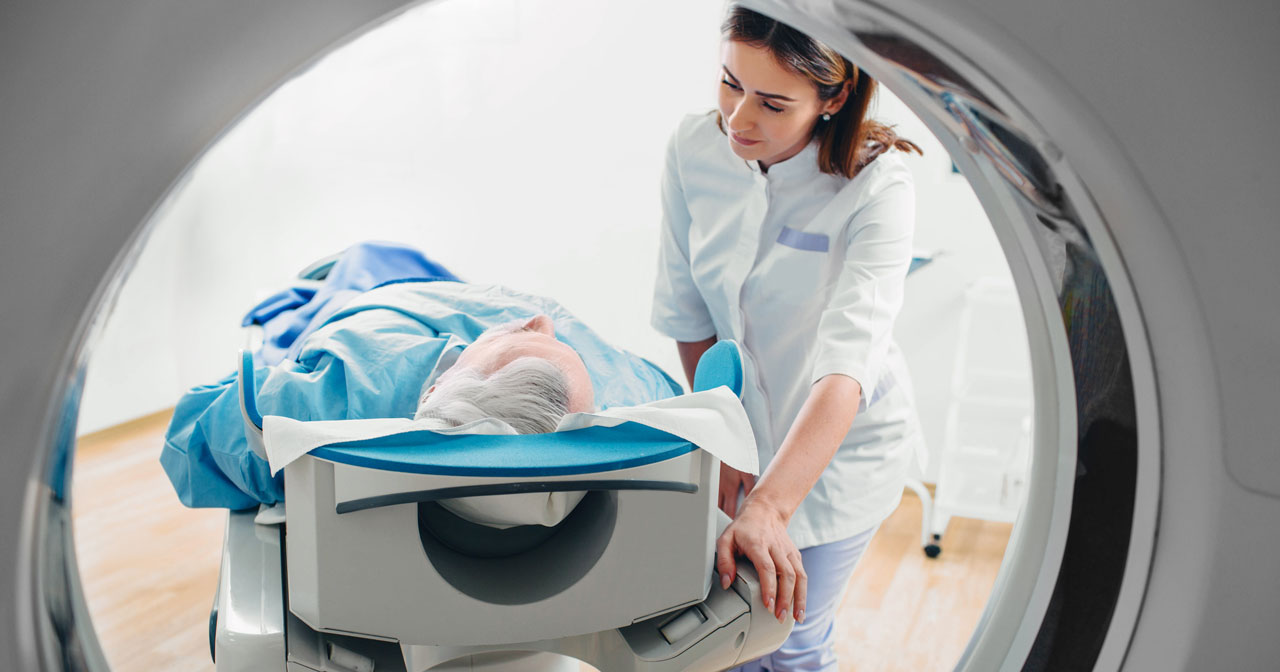
- Imaging tests such as X-rays, CT scans or MRIs to visualize the size and location
- Biopsy, where a small sample of tissue is taken and examined under a microscope for cell type and behavior
- Blood tests or genetic tests, which are sometimes used to help classify the tumor type.
A biopsy is the gold standard for diagnosis, giving doctors the clearest answer about the tumor’s nature.
The Bottom Line
Being diagnosed with a tumor can feel overwhelming, but understanding the difference between benign and malignant tumors helps guide your next steps.
- Benign tumors grow slowly, don’t spread and often require simple treatment.
- Malignant tumors grow aggressively, invade tissues and can spread throughout the body.
- Early diagnosis and treatment are key to the best outcomes, especially with malignant tumors.
- Regular medical checkups and imaging can detect tumors early, minimizing risks.
If you notice a new lump or experience symptoms like unexplained pain or swelling, don’t delay. Early evaluation by specialists at Capital Health can provide peace of mind and get you the care you deserve.
Contact Capital Health today to schedule an appointment with our expert team. Early diagnosis and personalized treatment start here.