
Most of the time, your body does a great job fighting off illness. When you catch a cold, your body recognizes this pesky, commonplace virus and mounts a defense. Similarly, when you cut your finger, white blood cells rush to the area to kill any bacteria that may have entered.
These defenses are part of your immune system, which includes your lymphatic organs and your white blood cells. As powerful as your immune system is, however, it’s less effective at fighting cancer. Instead, doctors have had to use other approaches, such as surgery and chemotherapy, to remove or destroy cancer cells. All that began to change when immunotherapy for cancer became more nuanced in the 1980s and 1990s.
Let’s look at how immunotherapy works, how it’s different from other cancer treatments and what type of cancer it’s most effective against.
Your Natural Immune Process
Remember how your body rushed to fight those cold viruses and the germs that entered your cut finger? That response happens so quickly because your white blood cells are highly effective at recognizing harmful substances inside your body.
White blood cells are created in your bone marrow and other organs. Different types perform different functions. Some white blood cells pounce on any cells that aren’t part of your body. That’s your innate immune ability. Other white blood cells learn to recognize organisms you’ve been exposed to before and attack those organisms when they see them again, a process known as adaptive immunity. After getting a cold once, for instance, you’ll be better prepared to fight that cold strain next time.
Examples of adaptive immune cells include antibodies, B cells and T cells, all of which are important to immunotherapy for cancer.
How Cancer Thwarts Your Immune System
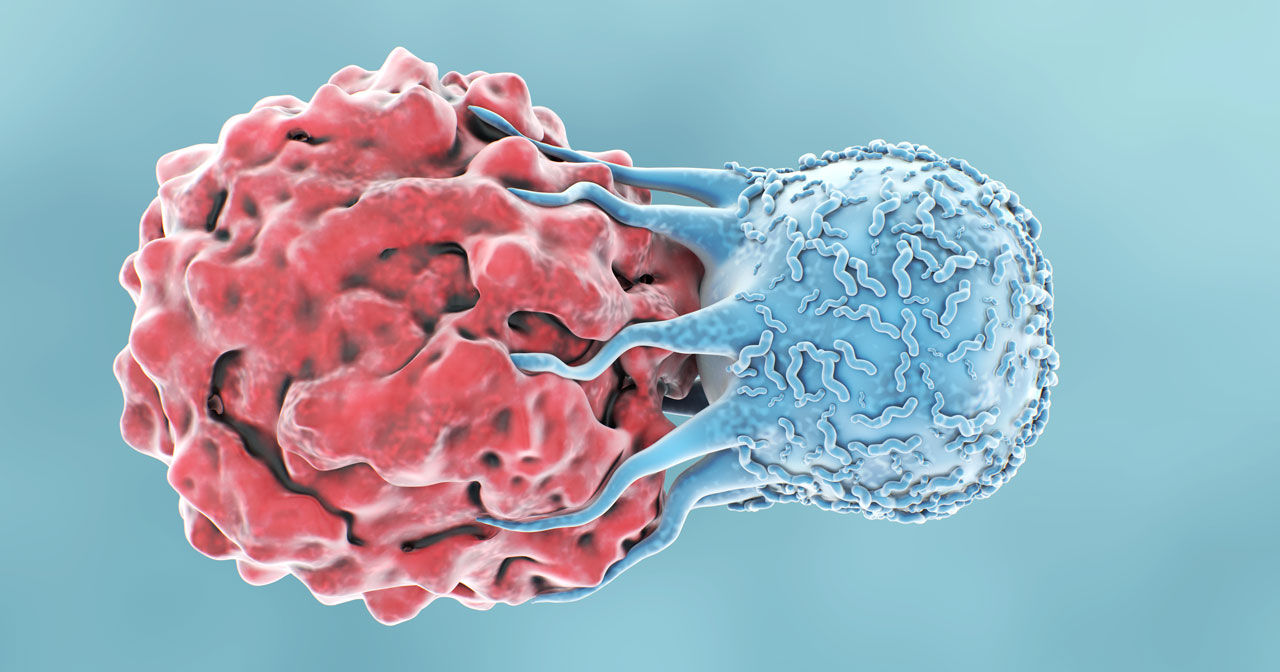
A healthy immune system can destroy many cancerous or precancerous cells. Tumor-infiltrating lymphocytes (a type of T cell), or TILs, can surround tumors and limit their growth.
However, cancers have means of hiding from or tricking your immune response. Some cancer cells have genetic changes that make them harder for your immune system to detect, while others interfere with or even block your immune reaction. This allows the cancer to grow and spread quickly.
Leveling Up Your Immune Abilities
Immunotherapy for cancer looks to level the playing field. The treatments train your immune system to focus on harmful cells—in this case, cancer cells.
Cancer researchers have developed many types of immunotherapy treatments:
- Cancer vaccines strengthen your immune response to attack cancer cells.
- Chimeric antigen receptor (CAR) T-cell therapy modifies your T cells so they make CAR proteins, which help them bind to cancer cells more effectively.
- Immune checkpoint inhibitors block the natural “checkpoints” that keep your immune system from recognizing cancer cells as enemies, enabling a stronger immune response.
- Immune system modulators boost the growth of white blood cells to fight cancer. They also encourage red blood cell growth.
- Monoclonal antibodies bind to cancer cells, signaling to your immune system that these cells should be destroyed.
- TIL therapy identifies and boosts the most effective TILs already found in your tumor.
Cancers Treated With Immunotherapy
Numerous cancers can benefit from immunotherapy treatment, including:
- Bladder cancer
- Brain cancer
- Breast cancer
- Cervical cancer
- Colorectal cancer
- Esophageal cancer
- Head and neck cancer
- Kidney cancer
- Leukemia
- Liver cancer
- Lung cancer
- Lymphoma
- Melanoma
- Multiple myeloma
- Ovarian cancer
- Pancreatic cancer
- Prostate cancer
- Sarcoma
- Stomach cancer
- Uterine cancer
Not everyone with these cancers will benefit from immunotherapy, however. Doctors will perform biomarker testing before immunotherapy to determine whether you are a good candidate. Your doctor will also consider your age, cancer type and stage, overall health (including any immune conditions), and whether other treatments have been effective.
What to Expect With Cancer Immunotherapy
Depending on your cancer, you may receive immunotherapy through an IV, in pill form or as a topical treatment you rub onto your skin. Like chemotherapy, you’ll receive immunotherapy in cycles.
Typically, immunotherapy has fewer long-term side effects than chemotherapy. Hair loss is a possibility, but it’s less likely. Some people may have a rash, fatigue, flu-like symptoms, nausea or digestive changes, or neurological changes. Rarely, people may have life-threatening immune-related symptoms. Your doctor can tell you about potential side effects you might experience based on the type of immunotherapy you have.
Immunotherapy for Cancer: A Promising Future
As immunotherapy research advances, immunotherapy cancer treatments have prolonged life for many patients with advanced disease, even after traditional therapies have stopped working. This is especially true for patients with blood cancers, kidney cancer, lung cancer and melanoma. In some cases, people with metastatic cancer (disease that has spread throughout the body) have gone into extended remission.
Despite excellent success rates, immunotherapy doesn’t work for every cancer or every patient. Additionally, patients may become resistant to immunotherapy, meaning it stops working for them. Researchers are working to make immunotherapy more effective and to expand the range of cancers it can treat.
Key Takeaways
Immunotherapy offers a new potential option for many cancer types. The treatments work by improving your immune system’s ability to spot and attack cancer cells, just as it does harmful bacteria and viruses.
Here are a few things to remember about these treatments:
- For many people with cancer, immunotherapy has the possibility to extend life even when other treatments stop working.
- Not everyone benefits from immune therapy. It may not work for your cancer, or it may become less effective over time.
- The immunotherapy landscape is constantly changing as new treatments are developed and tested. If you’re facing a challenging cancer, ask your oncologist about the latest treatments and clinical trials.
Do you want a second opinion on a recurring or treatment-resistant cancer? Request a consultation with a Capital Health Cancer Center oncologist.