

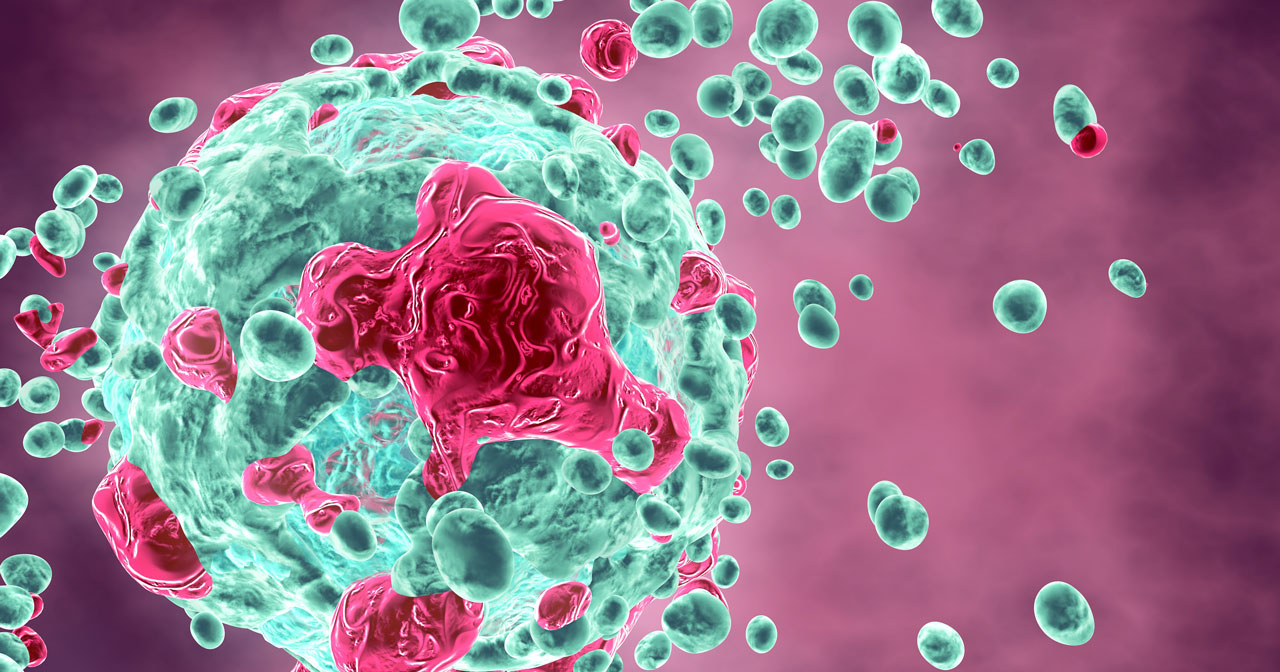
For years, cancer treatment has often meant surgery, radiation or chemotherapy. These methods can be effective—but they also may come with side effects, long recovery times and risks to healthy tissue. Now, a new approach is offering hope to patients with liver tumors and other hard-to-treat cancers. It’s called histotripsy, and it uses focused sound waves to destroy cancer cells without any incisions, probe or radiation.
What Is Histotripsy?
Histotripsy is a noninvasive cancer treatment that uses ultrasound waves to target and break down cancerous tissue. It’s the first treatment of its kind to physically destroy tumors inside the body without needing surgery or heat.
Histotripsy uses sound waves to form tiny bubbles in the tumor. These bubbles rapidly grow and collapse, killing the cancer cells and turning them into liquid. The treatment leaves nearby healthy tissue unharmed because the waves are so precise.
Once the sound waves break the tumor down, the body’s immune system naturally removes the dead cells over time.
Histotripsy is currently being studied in clinical trials for different types of tumors, but the U.S. Food and Drug Administration (FDA) gave it marketing authorization for the treatment of liver tumors.
How Does Histotripsy Work?
The procedure uses a special ultrasound device. Patients are usually given general anesthesia so they stay still, relaxed and comfortable during treatment.
During the procedure, doctors use imaging to determine the exact size and location of the tumor and then deliver the ultrasound energy to that spot. Depending on the size of the tumor, the whole procedure may take anywhere from one to three hours.
What Are the Benefits of Histotripsy?
Histotripsy offers several advantages over traditional cancer treatments:
- Noninvasive: There’s no cutting or probe needed to deliver the ultrasound waves.
- No radiation: Histotripsy doesn’t expose the body to harmful radiation, which can damage healthy tissue and even burn skin.
- Less damage to other structures: The sound waves are highly targeted, so nearby organs are usually unaffected. Unlike chemotherapy, which travels throughout the body, histotripsy focuses on only one area.
- Quick recovery: Patients can return home and to their daily lives right after treatment.
Are There Side Effects?
Because histotripsy is noninvasive, it has fewer side effects than traditional surgery. Some patients may feel mild discomfort at the treated area for a short time after the procedure. Serious histotripsy side effects are uncommon, but as with any medical procedure, there may be risks depending on a patient’s overall health.
Before treatment, doctors will explain any possible side effects and answer all questions to help you feel informed and confident.
Is Histotripsy Only for Liver Cancer?
Right now, histotripsy is FDA-approved for treating primary and metastatic liver cancers. Primary liver cancer starts in the liver, while metastatic liver cancer has spread there from other parts of the body.
However, current studies and ongoing clinical trials are investigating histotripsy as a treatment for tumors in the kidneys, pancreas, prostate and soft tissues.
If you are not eligible for histotripsy, you can still access other advanced treatment options. The care team at Capital Health can help you find the most appropriate path forward.
Who Should Consider Histotripsy?
Histotripsy may be a good option for patients who have:
- primary liver tumors
- secondary liver tumors
- symptomatic benign liver growths
Histotripsy may also be an option for patients who aren’t surgical candidates or who have been told in the past that they have an inoperable tumor. Not every patient is a match for histotripsy, though, so your doctor will perform imaging tests, blood work and a full medical history review to determine if it’s the right choice for you.
What’s Next?
Histotripsy is an innovative alternative to traditional liver cancer treatment. Using sound waves to treat cancer instead of scalpels or radiation, histotripsy offers people with liver cancer an option for care when other treatments may not be possible or effective.
At Capital Health, our team is proud to offer histotripsy treatment as part of our commitment to leading-edge care. Our experts work closely with you to explain treatment options, minimize side effects and support healing every step of the way.
To find out if histotripsy is right for you or a loved one, schedule a consultation with a Capital Health Cancer Center physician today. We’ll walk through every step and help build a personalized treatment plan.