

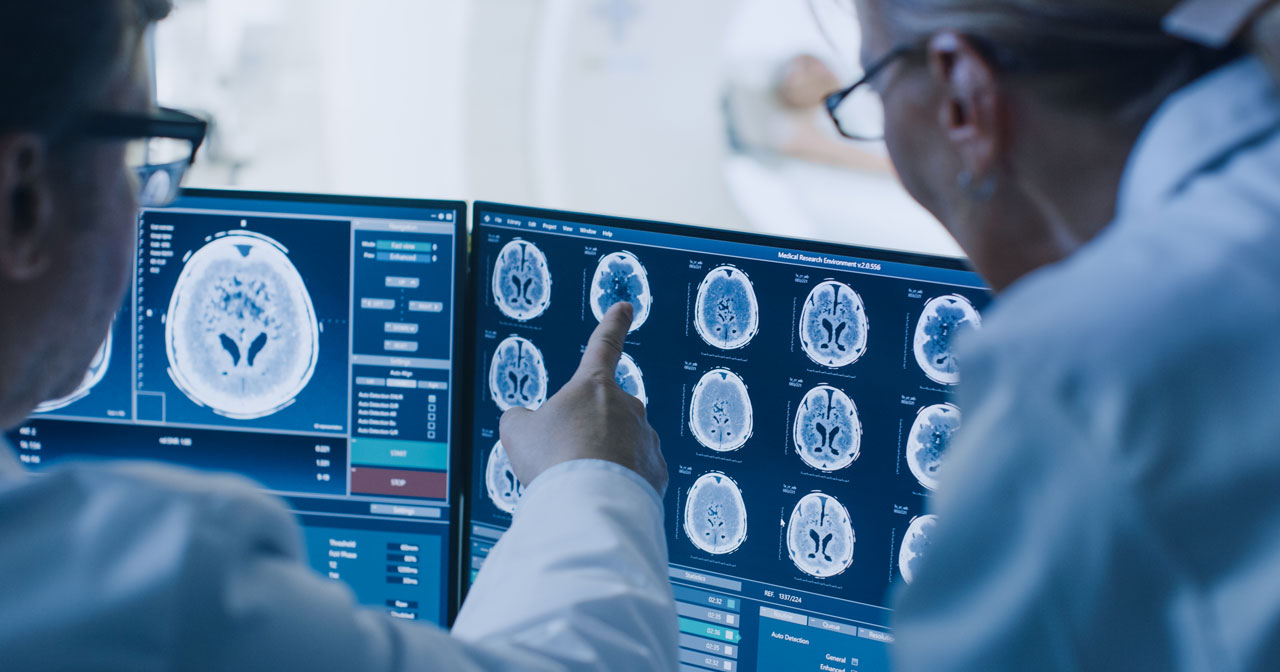
Learning you have a brain tumor can be scary. But understanding the types of brain tumors is an important step in your treatment journey. Brain tumors are broadly divided into two main types: primary and metastatic. Each type starts in a different place, behaves differently and requires unique treatment approaches.
Let’s examine the differences between primary and metastatic brain tumors. We’ll explain where they originate, what symptoms they may cause, how doctors find them, and what to expect in terms of treatment and outlook.
What Are Brain Tumors?
A brain tumor is a growth of extra cells in the brain or the tissues around it. The brain is part of the central nervous system and has many kinds of cells. These include nerve cells and glial cells, which help support nerve cells.
Brain tumors can be benign (noncancerous) or malignant cancerous). Malignant brain tumors can grow quickly and invade nearby tissues, while benign tumors tend to grow more slowly and do not spread as aggressively.
What Is a Primary Brain Tumor?
Primary brain tumors start inside the brain or in the tissues near the brain. They come from cells that are normally in the brain. Because they originate in the brain, these tumors are called “primary.”
Common types of primary brain tumors include:
- Gliomas: These tumors arise from glial cells. They can be slow-growing or very aggressive. Glioblastoma is the deadliest and most aggressive form of glioma and is considered the most lethal type of brain tumor overall.
- Meningiomas: These tumors develop from the meninges, the protective layers covering the brain and spinal cord. Meningiomas are often slow-growing and benign.
- Pituitary tumors: These occur in the pituitary gland, a small gland at the base of the brain that controls hormone production.
Primary brain tumors can affect different parts of the brain, which impacts the symptoms people experience. Because the brain controls many body functions, even small tumors can cause significant issues, like headaches, seizures and vision problems.
What Are Metastatic Brain Tumors?
Unlike primary brain tumors, metastatic brain tumors begin elsewhere in the body and spread (or metastasize) to the brain. They are sometimes called secondary brain tumors.
Many cancers can spread to the brain, but common primary cancers that cause brain metastases include:
Brain metastases occur when tumor cells break away from the original cancer and travel through the bloodstream to the brain.
Key Differences Between Primary and Metastatic Brain Tumors
Primary and metastatic brain tumors differ in several important ways that affect diagnosis and treatment. Understanding these differences helps you and your family better navigate what to expect and the treatment options available.
Growth Rate
- Primary tumors can grow slowly or quickly, depending on the specific tumor type. For example, low-grade gliomas grow slowly, while glioblastomas grow very aggressively.
- Metastatic tumors tend to grow more rapidly.
Treatment Approach
Primary brain tumor treatments focus directly on the tumor itself and include:
- Surgery: Removing as much of the tumor as possible
- Radiation therapy: Using high-energy X-rays to target tumor cells
- Chemotherapy: Drugs that kill cancer cells and prevent them from multiplying
- Targeted therapy: Medicines focusing on specific cell traits inside tumor cells
Metastatic brain tumor treatments address both the brain tumors and the original cancer elsewhere in the body:
- Surgery: To relieve pressure or remove accessible tumors
- Radiation therapy: Includes whole brain radiation or focused treatments like stereotactic radiosurgery
- Systemic cancer treatments: Such as chemotherapy, targeted therapy or immunotherapy to control the primary cancer
Prognosis
- The outlook for primary brain tumors varies widely based on tumor type and grade. Some grow slowly with good outcomes, while others, like glioblastomas, are aggressive and carry a poorer prognosis.
- The prognosis for metastatic brain tumors is largely determined by the behavior of the original cancer and the extent of brain involvement. Extensive metastatic disease can often be terminal, though treatment can help manage symptoms and improve quality of life.
What Symptoms Might Brain Tumors Cause?
Symptoms of brain tumors—whether primary or metastatic—depend largely on the tumor’s size, location and growth rate. While many symptoms overlap between the two types, some differences may arise based on tumor characteristics and patient history.
Common symptoms shared by both primary and metastatic brain tumors include:
- Changes in speech or vision
- Headaches
- Memory or personality changes
- Nausea or vomiting
- Problems with balance or walking
- Seizures
- Weakness or numbness in arms or legs
How Are Brain Tumors Diagnosed?
Diagnosis procedures are similar for primary and metastatic brain tumors but include important differences to determine tumor origin and treatment plans.
Common diagnostic tools used for both types include:
- Neurological exam: This tests coordination, reflexes, vision and mental status.
- Imaging: MRI is the most common and detailed method to visualize brain tumors. CT scans can also be helpful.
- Biopsy: This is often used to obtain tissue to determine tumor type and whether it is benign or malignant.
For metastatic tumors, additional diagnostic steps are undertaken to identify the primary cancer source, including:
- Blood and urine tests for tumor markers
- Physical exams focusing on common primary cancer sites (e.g., lungs, breast, skin)
- Imaging tests (e.g., PET, CT, bone scans, ultrasound, etc.)
These extra steps are crucial because treatment depends both on the brain tumor itself and the characteristics of the primary cancer.
The Bottom Line
Understanding whether a brain tumor is primary or metastatic helps guide effective treatment and sets expectations for recovery. Both types require prompt medical attention, but treatment plans may differ.
At Capital Health, our multidisciplinary team offers advanced diagnostics, personalized treatment, and compassionate care for patients with all types of brain tumors. If you or a loved one faces a brain tumor diagnosis, contact us to learn about your options and get the expert care you deserve.
If you have questions about the types of brain tumors or need an evaluation, request an appointment with a Capital Health neurologist or neurosurgeon today.