

Radiation therapy is one of the most common types of cancer treatment. It works by using radiation to damage the DNA, or genetic material, of cancer cells, which prevents the cells from multiplying and spreading. Understanding what happens before, during and after radiation treatment can help ease concerns and prepare you for the journey ahead.
Types of Radiation Therapy
Before you receive your first radiation treatment, your radiation oncologist, a doctor who specializes in radiation therapy, will determine whether you need external or internal radiation therapy. They’ll consider your type of cancer, overall health and many other factors to decide which type you need.
External Beam Radiation Therapy (EBRT)
EBRT is the most common type of radiation treatment. It delivers high-energy X-rays or particles to a tumor or area of cancerous cells from outside your body. Doctors use various techniques to deliver EBRT, such as:
- 3D conformal radiation therapy: This type of EBRT uses imaging scans to help your radiation oncologist aim radiation beams that match (conform to) the shape of a tumor.
- Intensity-modulated radiation therapy (IMRT): This type of EBRT uses multiple radiation beams, allowing your doctor to vary the strength as needed and target specific areas of the tumor with higher doses of radiation.
- Stereotactic body radiation therapy (SBRT): SBRT delivers a highly focused, large dose of radiation from different angles. It’s used to treat tumors outside the brain.
- Stereotactic radiosurgery (SRS): SRS is very similar to SBRT, only it is used to treat brain and central nervous system tumors. At Capital Health, our radiation oncologists use advanced CyberKnife® technology to perform SRS. SRS can often be performed in a single dose.
Internal Radiation Therapy
With internal radiation therapy, you receive radiation from something placed inside your body, such as an implant or a medication.
- Brachytherapy: This treatment uses radioactive beads, ribbons or capsules that your doctor places in or near your cancer.
- Systemic radiation therapy: Systemic radiation therapy uses radioactive medications to kill cancer cells throughout your body.
Radiation Treatment: What to Expect
Your experience receiving radiation therapy will look different if you’re having external or internal radiation. The process may also depend on the type of cancer you have. However, you’ll always begin by meeting your radiation oncologist and care team, so they can design your plan and determine:
- The type of radiation you need and the dose
- The goal of your treatment
- How many visits you need and how often they occur
EBRT: Before, During and After
Before your treatment starts, your care team will do tests and scans to map the exact area for radiation. You may have a simulation session, also known as a planning or mapping scan, where you lie still while images are taken to help guide the treatment.
Each session typically lasts 15 to 30 minutes, depending on your treatment plan, and most people have daily sessions, Monday through Friday. Your radiation oncologist will tell you how many weeks you’ll need to receive treatment.
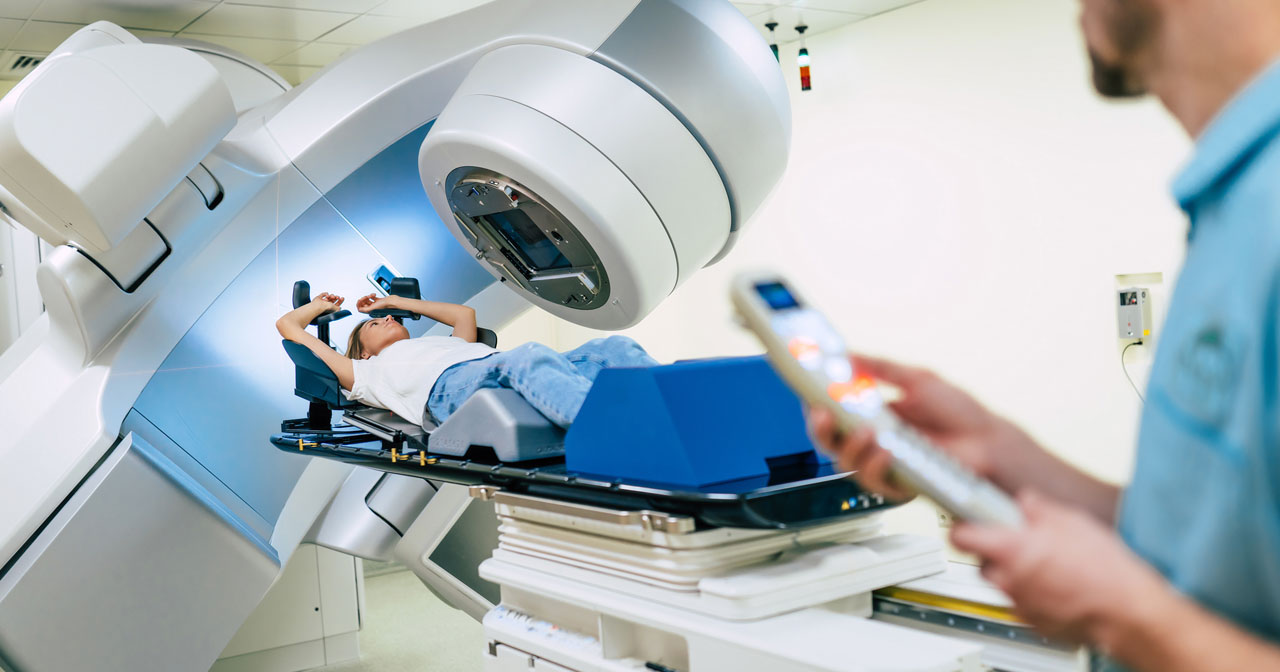
During treatment, you will lie on a treatment table while the machine moves around you to aim beams precisely. The actual delivery of radiation is painless—you won’t feel anything when the beams pass through your body.
Once you finish treatment, you will be able to go home. You won’t need to stay at the hospital overnight.
Internal Radiation Therapy: Before, During and After
For brachytherapy, doctors often need to place the implant using a catheter or applicator. You may receive anesthesia before the procedure, and your team may use imaging tests to decide where to place the implant.
The radiation source is placed inside the catheter or applicator for a certain period of time and then removed, unless you receive a permanent implant, which stays in your body for the rest of your life.
Brachytherapy treatments can deliver low or high doses of radiation.
- With low-dose rate brachytherapy, the radioactive sources are placed for a few days at a time and then removed, along with the catheter or applicator. You’ll likely stay in the hospital throughout your treatment. Some low-dose treatments are permanent.
- With high-dose rate brachytherapy, the radioactive material is placed for only a few minutes at a time during individual treatment sessions. You might have multiple sessions a day or weekly sessions over the course of a few weeks.
Systemic radiation will also vary based on the type you receive. Some medicines can be taken as pills, while others are given intravenously (through a vein). You may need to stay in the hospital while receiving the medicine
Common Side Effects of Radiation Treatment
The goal of any form of radiation therapy is to kill cancer cells without damaging healthy cells or tissue. Still, radiation can affect healthy cells near the cancer, leading to side effects. Side effects vary based on the area of the body being treated, but common side effects can include:
- Fatigue: Feeling tired is very common and may last weeks after treatment ends.
- Hair loss: This occurs only if radiation is aimed at areas with hair. The loss is usually local and temporary.
- Nausea and vomiting: These can occur if you receive high doses of radiation, especially in or near the abdomen.
- Skin changes: The area treated may become red, dry or sensitive, similar to a sunburn.
- Other effects: Depending on the treatment area, you may experience mouth dryness, difficulty swallowing, bowel or bladder changes, and swelling.
How Long Does Radiation Stay in Your Body After Treatment?
The answer depends on which type of radiation treatment you have. External treatments do not leave radiation in your body after treatment, so you are safe to be around others. EBRT does not make you radioactive.
Radioactive medicines may stay in your body for up to a few days.
With some types of brachytherapy, you may need to avoid children, pregnant women and other populations to limit their exposure to radiation, at least for a short time. If you receive internal radiation in the hospital, your care team will take special steps to protect themselves.
In Conclusion
Radiation therapy treats many types of cancer in a variety of ways. Your treatment journey depends heavily on your diagnosis, and your team will plan your treatment with the goal of protecting healthy tissues as much as possible. They’ll also tell you exactly what to expect before, during and after treatment, so you feel confident in your care plan.
Ready to take the next step in your cancer care? Contact our radiation oncology team today to schedule a consultation.