
Liver cancer is a serious form of cancer, affecting tens of thousands of Americans each year. While a liver cancer diagnosis can feel overwhelming, understanding the causes and risk factors can empower you to take proactive steps toward prevention.
Understanding Liver Cancer: The Basics
Liver cancer occurs when liver cells begin to grow uncontrollably. The liver, your body’s largest internal organ, performs more than 500 vital functions, including filtering harmful substances from your blood, producing bile for digestion and storing energy.
The primary cause of liver cancer is chronic liver damage, most commonly from hepatitis B and C infections. These viral infections cause long-term inflammation that can lead to cirrhosis (scarring of the liver) and eventually cancer. Chronic hepatitis B infection accounts for approximately 50% of liver cancer cases worldwide, while hepatitis C contributes to about 25% of cases. Other conditions that increase risk are alcohol use, obesity, non-alcoholic fatty liver disease and certain genetic conditions.
Chronic Hepatitis Infections
Hepatitis B and C are viral infections that cause persistent inflammation in the liver, which over time can lead to cirrhosis and cancer. Hepatitis B can be transmitted from mother to child during birth, through unprotected sexual contact, or by sharing needles. Hepatitis C is primarily spread through contact with infected blood.
Excessive Alcohol Consumption
When you consume alcohol regularly over many years, it can cause liver cirrhosis. Cirrhosis can progress to liver cancer because the ongoing liver damage and regeneration caused by cirrhosis create genetic mutations and abnormal cell growth that may lead to cancer development over time.
Obesity and Metabolic Dysfunction-Associated Steatotic Liver Disease (Formerly Called Non-Alcoholic Fatty Liver Disease (NAFLD))
Obesity leads to extra fat building up in the liver, which can cause a condition called metabolic dysfunction-associated steatotic liver disease (MASLD). This condition—which affects as many as 30% of American adults—can cause increasing levels of inflammation that can eventually progress to a form of non-alcoholic fatty liver disease (NASH) that is associated with obesity. Additional inflammation can eventually cause NASH to develop into liver cancer.
Other Possible Causes
Liver cancer risk can also be increased by exposure to certain environmental and occupational chemicals, such as vinyl chloride used in plastic manufacturing and anabolic steroids from long-term use. Additionally, rare genetic disorders like hemochromatosis (excess iron absorption), Wilson’s disease (copper buildup) and alpha-1 antitrypsin deficiency (low levels of protein that protect the lungs) can cause liver damage and potentially lead to liver cancer.
Liver cancer can also be related to genetics and environmental exposures beyond these factors, including rare inherited diseases and workplace chemical exposures common in certain industries.
The Importance of Knowing Your Risk
Liver cancer can be challenging to detect early because it often doesn’t cause noticeable symptoms until it has progressed to later stages. Unfortunately, when diagnosed late, the cancer tends to be more aggressive and harder to treat, which can lower life expectancy.
How quickly liver cancer spreads and how aggressive it becomes vary widely depending on the type and stage at diagnosis. Some tumors grow slowly at first but may accelerate over time, while others spread more rapidly within the liver or to other organs. Early detection significantly improves treatment success and survival rates; for example, five-year survival rates for early-stage liver cancer can range from 37% to 70%.
This underscores the importance of understanding your personal risk factors, staying proactive with regular health checkups, and working closely with your healthcare provider to detect any problems early and take steps to lower your risk.
Taking Action: How to Lower Your Risk
The good news is that there are many concrete steps you can take to lower your risk for liver cancer. By making smart choices in your daily life and working with your healthcare team, you can take control and protect your liver health.
Get Vaccinated
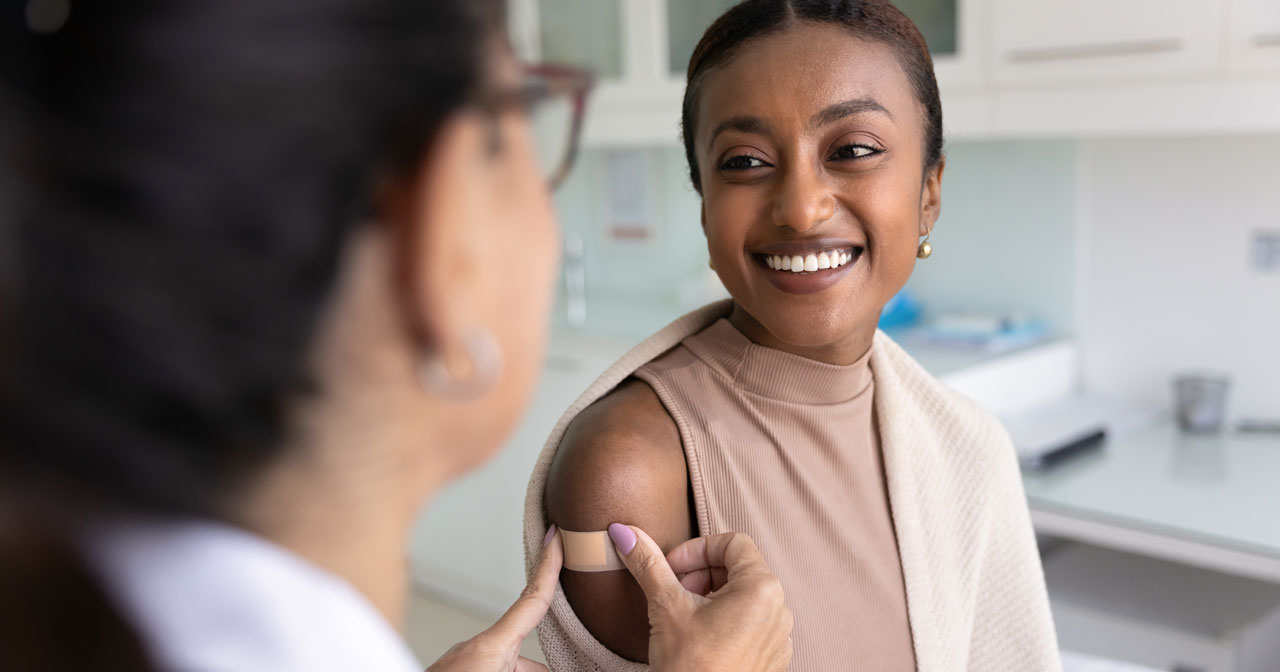
The hepatitis B vaccine is one of the most effective ways to help prevent liver disease or cancer. This vaccine is typically given in a series of two or three shots and provides long-lasting protection. If you’re not vaccinated, talk with your healthcare provider about whether you would benefit.
Practice Safe Behaviors
Practicing safe behaviors is a simple but powerful way to lower your risk of liver cancer. This is especially true for preventing the spread of hepatitis infections.
- Use protection during sexual activity. This is one of the most effective ways to prevent the spread of hepatitis B and C.
- Never share needles, syringes, razors or toothbrushes. Sharing these items is a direct way to spread blood-borne viruses that can cause hepatitis infections.
- Ensure proper sterilization for tattoos and piercings. When you choose to get a tattoo or piercing, make sure the facility you use follows proper sterilization procedures for all its tools.
- Be cautious about blood exposure. If you are in a healthcare or emergency situation, use gloves and other protective gear to avoid direct contact with blood or other body fluids, which can spread hepatitis.
Maintain a Healthy Lifestyle
Your liver is a hardworking organ that filters the blood to remove toxins and waste. Because of this, the choices you make every day have a big impact on your liver’s health. Maintaining a healthy lifestyle can give your liver the support it needs to stay strong and lower your cancer risk. Here’s what you can do to get started:
- Limit alcohol consumption. If you choose to drink alcohol, do so in moderation. The Centers for Disease Control and Prevention defines moderate drinking as up to one drink per day for women and up to two drinks per day for men.
- Maintain a healthy weight. Achieve and maintain a healthy body weight through balanced nutrition and regular physical activity. Focus on a diet rich in fruits, vegetables, whole grains and lean proteins while limiting processed foods and added sugars.
- Exercise regularly. Aim for at least 150 minutes of moderate-intensity exercise per week. Regular physical activity helps maintain a healthy weight and supports overall liver health.
Take Control: Manage Your Health and Monitor for Early Detection
When you have a risk factor for liver cancer, it’s natural to feel worried. But you don’t have to live with that worry. Unlike some other cancers, there is no routine screening test for liver cancer for everyone. That’s why it’s so important to work with your healthcare provider to create a monitoring plan that fits your specific needs.
Taking a proactive approach starts with managing any underlying health conditions like diabetes, hepatitis infections and fatty liver disease. Effectively managing these conditions is a powerful way to reduce your cancer risk.
Early detection can also save lives. Many people with liver cancer don’t experience symptoms in the early stages, so they don’t notice anything until the disease has advanced—which is why monitoring is so crucial for high-risk individuals. Symptoms to watch for include unexplained weight loss, abdominal pain, yellowing of the skin or eyes, and fatigue.
Your Partner in Prevention
Remember, while liver cancer is a serious disease, many of its risk factors are preventable or manageable. By taking proactive steps today—getting vaccinated, maintaining a healthy lifestyle and seeing your doctor regularly—you can significantly reduce your risk and protect your liver health for years to come.
If you have concerns about liver cancer risk or would like to discuss screening options, request an appointment with a Capital Health liver specialist or cancer specialist today.