

More than 226,000 people were diagnosed with lung cancer in 2025, the American Cancer Society estimates. Often, these cancers have already spread outside the lungs when found.
Historically, people almost never discovered they had lung cancer until it had metastasized, which means it had spread beyond the lungs into other parts of the body. Today, however, thanks to the availability of screening tests, more lung cancers are found early. Still, only about 3 out of 10 lung cancers are diagnosed at an early stage, when they’re most treatable.
What does it mean for lung cancer to metastasize? Where does it typically spread? How is metastatic lung cancer treated? What can you do to find cancer early, while it’s still manageable? In this blog, we’ll answer these and many other questions about metastatic lung cancer.
What Is Metastatic Cancer?
Cancer is dangerous because it spreads. In fact, that’s the very definition of cancer: cells that grow out of control. Though there are many forms of cancer, all of them share qualities that allow them to evade your body’s defenses and spread far and wide.
Generally, cancers first spread to nearby areas, known as local spread. Then, they may enter the bloodstream or, usually, the lymphatic system. This is a network of vessels that carry lymph, a clear liquid rich in white blood cells, throughout your body. An important part of your immune system, the lymphatic system helps fight infection while removing excess fluid that builds up in your body.
Cancer that gets into the lymphatic system winds up in the lymph nodes, tiny structures that filter foreign bodies out of the lymph. From there, they may travel to points far away from where they began. Cancer that has spread far from its source is known as metastatic cancer.
Cancers are named for their point of origin. Lung cancer that has spread to your liver is metastatic lung cancer, not liver cancer, for instance.
How Do Different Types of Lung Cancer Spread?
People can get two main types of lung cancer, non-small cell lung cancer (NSCLC) and small cell lung cancer (SCLC). Each type of cancer spreads in a different way.
Non-Small Cell Lung Cancer
The most common type of lung cancer, non-small cell lung cancer grows more slowly than small-cell lung cancer. It is staged from 0 to IV according to tumor size, spread to lymph nodes and whether it has metastasized. Stage III non-small cell lung cancer has spread to organs outside the lungs.
Small Cell Lung Cancer
Only 10%–15% of lung cancers are small cell lung cancers. This is a quick-growing cancer divided into a two-stage system, limited and extensive. Limited small cell lung cancers are confined to one side of your chest, while extensive small cell lung cancers have spread to the other side of your chest and beyond.
Where Does Lung Cancer Go When It Spreads?
After spreading locally in your chest, lung cancer tends to appear in certain distant locations. Two of these are your brain and your liver. However, lung cancer cells can end up in other organs, as well.
Lung Cancer Brain Metastases
About 16% to 20% of people with lung cancer, including both small cell and non-small cell types, will experience spread to the brain. People sometimes refer to this as “brain mets.”
Symptoms include seizures, unsteadiness, and changes to memory and personality. Brain metastases may be treated with chemotherapy, immunotherapy and radiation therapy. Sometimes, doctors may remove tumors surgically.
Lung Cancer Liver Metastases
When people are diagnosed with small cell lung cancer, it has already spread to the liver about 70% of the time, and many other people will have liver metastases, also called “liver mets,” after diagnosis. People with non-small cell lung cancer may also experience liver metastases.
Symptoms of lung cancer that has metastasized to the liver include pain in your abdomen, feeling tired or nauseated, and having a yellowish color, also known as jaundice. Oncologists may use radiation therapy and targeted therapies to treat liver metastases.
Can Metastatic Lung Cancer Be Cured?
While advanced lung cancer is generally not considered curable, researchers continue to develop lung cancer treatments that can slow the disease even when it has metastasized. Treatment effectiveness depends on the type of cancer you have and how far it has spread. Doctors have more options to treat non-small cell lung cancer that has spread to a single location than they have for widespread disease.
Even when cancer cannot be cured, however, advanced treatment options such as immunotherapy can help you live longer while improving your quality of life and managing cancer symptoms.
Preventing Metastatic Lung Cancer: Lowering Your Risk
If you’re concerned about preventing metastatic lung cancer, your best option is to lower your lung cancer risk with lifestyle changes and talking with your doctor about screenings that can identify lung cancer in its early, more treatable stages, before it has metastasized.
Stop Smoking Now
Since most lung cancers result from smoking, giving up cigarettes, cigars and pipes is your No. 1 risk-reduction strategy. If you’re having trouble quitting, a smoking cessation program can help.
Other ways to lower your risk include avoiding exposure to asbestos and diesel fumes and testing your home for radon, a colorless, odorless gas that exists naturally in soil, water and rock.
Not all lung cancer stems from smoking or environmental factors, however. Because some lung cancers have a genetic component, you may also want to talk with your doctor about genetic testing for cancer, especially if lung cancer seems to run in your family.
Lung Cancer Screenings
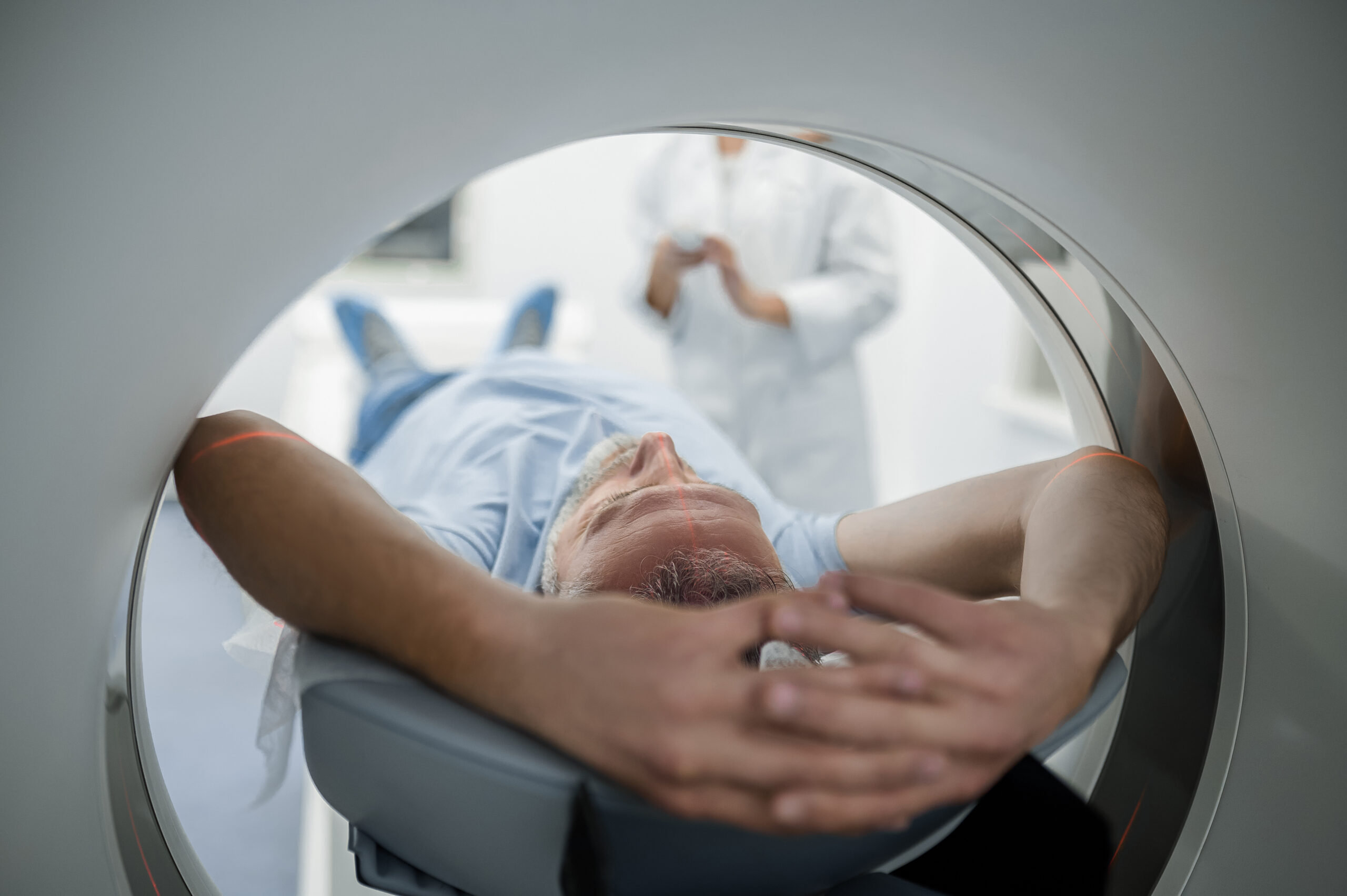
You can also avoid metastatic lung cancer by finding lung cancer before it has a chance to spread with a screening test called a low-dose CT lung cancer screening. You may qualify for this screening if you:
- Are 50 to 80 years old
- Currently smoke or have quit within the past 15 years
- Have smoked one pack a day for 20 years, or the equivalent (two packs a day for the past 10 years, for example)
This simple screening, which may be covered by Medicare, can change your life.
Advanced Lung Cancer Care at Capital Health
If you have been diagnosed with lung cancer, the healthcare team at Capital Health provides advanced treatment options, including endoscopic and minimally invasive procedures, radiation therapy and systemic therapy. We also offer access to clinical trials, meaning you can participate in advanced treatments being pioneered around the world. Our Lung Navigation Program and supportive services help you with everything from appointment scheduling to understanding your disease and managing treatment side effects.
The Bottom Line
Metastatic lung cancer is cancer that has spread far outside the lungs, such as to the brain or liver. It often can’t be cured, but you can prevent metastatic lung cancer by lowering your lung cancer risk overall and getting tests that can find cancer before it metastasizes. You can do this by:
- Asking your doctor about low-dose CT lung cancer screenings
- Avoiding environmental risk factors, such as asbestos, diesel fumes, radon and secondhand smoke
- Discussing your family history with your doctor to see if genetic testing is appropriate
- Never smoking, or quitting if you already smoke
It’s time to lower your risk of widespread lung cancer. If you smoke or have a history of smoking, schedule a low-dose CT screening for lung cancer.