
Breast cancer screening and detection programs have been highly successful at finding breast cancer at earlier stages, when treatment tends to be more effective. Breast cancer death rates have been falling since the 1990s.
During the past 20 years, however, breast cancer rates have been rising, especially among women younger than 45 and women of color. Often, the culprit is a variety of breast cancer known as triple-negative breast cancer.
Let’s look at this fast-moving disease and what it means for younger women.
What Is Triple-Negative Breast Cancer?
Scientists sometimes describe cancers by their biomarkers—biological characteristics unique to that specific disease.
Breast cancer can have various biomarkers, but three common ones include:
- Receptors for two hormones—estrogen and progesterone (receptors are sites on a cell where hormones can bind or attach)
- A protein called human epidermal receptor growth factor 2, or HER2
Triple-negative breast cancer has none of these three common biomarkers—no estrogen receptors (ER) or progesterone receptors (PR), and no HER2 protein production. That means certain breast cancer treatments won’t work against triple-negative breast cancer.
Because it’s fast-growing, tough to treat and often comes back after treatment, triple-negative breast cancer survival rates compare poorly to those of other types of breast cancer. Luckily, many women do find this disease early, giving them a fighting chance. Five-year survival rates for triple-negative breast cancer are up to 91% in early-stage disease.
Who Is at Risk for Triple-Negative Breast Cancer?
Your chance of getting breast cancer before age 45 increases if you are Black or have specific genetic changes, such as mutations to the BRCA1 and BRCA2 genes.
If you have these risk factors, you may need screening tests earlier than standard recommendations.
Signs and Symptoms of Triple-Negative Breast Cancer
Symptoms of this breast cancer type resemble those of other breast cancers and include:
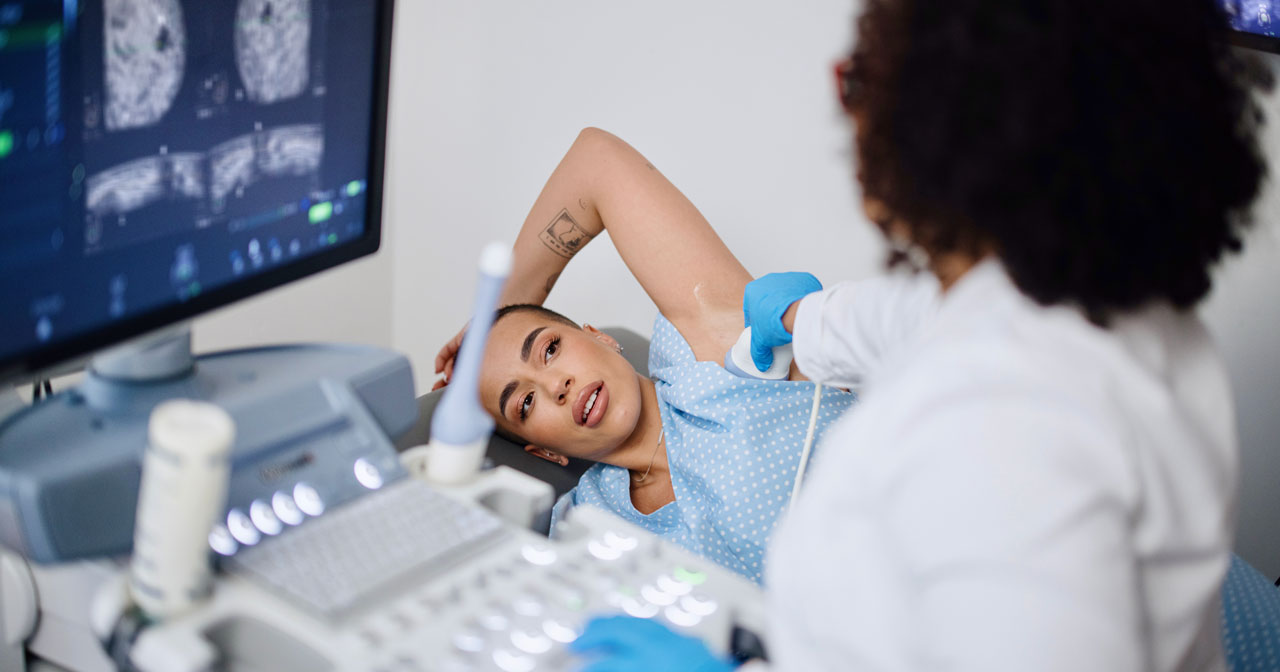
- Lumps on your breast or under your arm
- Nipple discharge or changes in nipple shape
- Skin changes, including dimpling, itching and pitting
Often, breast cancer has no symptoms in the early stages, regardless of type, making screening tests especially important.
Treating Triple-Negative Breast Cancer
When you’re diagnosed with breast cancer, your oncologist may order tests to learn more about your cancer and the best way to treat it. Biomarker tests can pinpoint what type of cancer you have, while imaging scans reveal the extent of your cancer and where it has spread.
If doctors diagnose triple-negative breast cancer, they may have to rule out a few targeted treatment approaches. However, an accurate diagnosis also helps your medical team move quickly with treatments that may be more effective.
Treatment for triple-negative breast cancer includes:
- Surgery. Depending on how far your cancer has spread, surgery may include lumpectomy, mastectomy or lymph node removal.
- Radiation therapy. This therapy uses targeted radiation to destroy cancer.
- Systemic chemotherapy. This is standard chemotherapy that kills cancer cells anywhere in your body.
- Immunotherapy. Medications known as immune checkpoint inhibitors can prevent cancer from hiding from your immune system.
- Targeted therapy. While some targeted approaches are not helpful against triple-negative breast cancer, drugs targeting BRCA1 or BRCA2 mutations may be effective.
Preventing Recurrence and Long-Term Outlook
Unfortunately, many women will see their triple-negative breast cancer return, typically within less than three years. While other breast cancers often metastasize (spread) to the bones, triple-negative breast cancer is more likely to reappear in your brain, liver or lungs.
You cannot always prevent cancer from returning. To reduce your risk, your doctor may recommend lifestyle changes such as:
- Avoiding alcohol
- Exercising regularly
- Maintaining a healthy weight
- Attending regular follow-up appointments for tests and screenings so doctors can detect any recurrence as soon as possible
If triple-negative breast cancer returns and you have a BRCA1 or BRCA2 gene mutation, your doctor may recommend treatment with a PARP inhibitor. These medications prevent cancer cells from repairing their DNA. They can extend survival times with fewer side effects than traditional chemotherapy.
Personalized Care and Support for Younger Women
Having cancer at a younger age means you may be juggling chemo and childcare or balancing college expenses with medical bills. You may need support as a student, a parent or an employee—not just a patient.
Specialized cancer centers treat people of all ages and can be the best place to find support groups, social services and other resources. Don’t be afraid to ask any question you might have, whether you’re concerned with fertility after cancer treatment, relationships and intimacy, or practical needs such as transportation and payment assistance.
The Bottom Line: We’re Here for You
You’ve probably heard that 1 in 8 women will develop breast cancer in their lifetimes. You may even have supported a mother, grandmother or aunt through breast cancer treatments. Few women, though, picture themselves spending their 20s or 30s dealing with breast cancer.
Breast cancer can affect women at any age. Remember:
-
- You don’t need to be 40+ years old to develop breast cancer. Even if you don’t think you’re old enough for breast cancer screenings, ask your doctor about any concerns you may have.
- Mammograms, diagnosis and treatment can look different for triple-negative breast cancer. This type of cancer may not respond to traditional treatments. Your team will use various tests to see which options will benefit you most. You may also benefit from participating in a clinical trial.
- It’s essential to have a trusted healthcare provider. Triple-negative breast cancer requires long-term follow-up care to help ensure doctors can find it early if it returns after treatment.
Have you been told you have triple-negative breast cancer or another aggressive cancer? Request a consultation with a Capital Health Cancer Center oncologist.